Your body kept score.
Your plate can start the rewrite.
A nutrition program designed for nervous systems that never got to rest.
The invisible weight that nobody named.
Before we talk about food, we need to talk about what food has been up against. These aren't character flaws. They're physiological adaptations.
The 2 a.m. fridge raid isn't about hunger.
When cortisol spikes — after a nightmare, after a shift, after a memory surfaces without warning — your body demands fast glucose. Not because you're weak. Because your HPA axis is doing exactly what it learned to do. The problem is it never got the memo that the threat is over.
The grocery aisle that feels like a mission briefing.
Fluorescent lights. Unpredictable crowds. Forty-seven choices of cereal. For a nervous system that never fully downregulated, a grocery store can trigger the same threat response as a roadside IED. So you stop going. Or you go and come back with nothing you actually need.
Sitting down to eat and leaving your body.
Some survivors can't eat at tables. Some first responders eat standing over the sink, still in uniform. Some veterans haven't tasted a meal in years — they fuel, they don't eat. The ritual of sitting, slowing, and receiving nourishment requires a baseline of safety that trauma can take away.
Your body forgot when it's supposed to be hungry.
Three years of 24-hour shifts will dismantle your circadian rhythm, your hunger hormones, and your relationship with mealtime. Ghrelin and leptin stop signaling clearly. You eat when you can, not when you need to, and your gut microbiome adjusts to survive — not to thrive.
“You didn't develop a bad relationship with food. You developed a survival relationship with food. Those are different problems with different solutions.”— Nourish Program Philosophy
Why food moves the needle before therapy does.
The gut-brain axis isn't a metaphor. It's a two-way neural highway, and right now, your gut is sending distress signals upward 24 hours a day. We start at the source.
The HPA axis: your body's alarm system that forgot the off switch.
Hypervigilance isn't a mindset — it's a chronically activated hypothalamic-pituitary-adrenal axis. Every cortisol spike depletes magnesium, which is the mineral your body needs to turn the alarm off. The more depleted you get, the louder the alarm rings, and the louder the alarm rings, the more magnesium you burn through.
Anti-inflammatory foods interrupt this loop at the cellular level. Not by calming your thoughts. By giving your adrenal glands the raw materials to downregulate on their own.
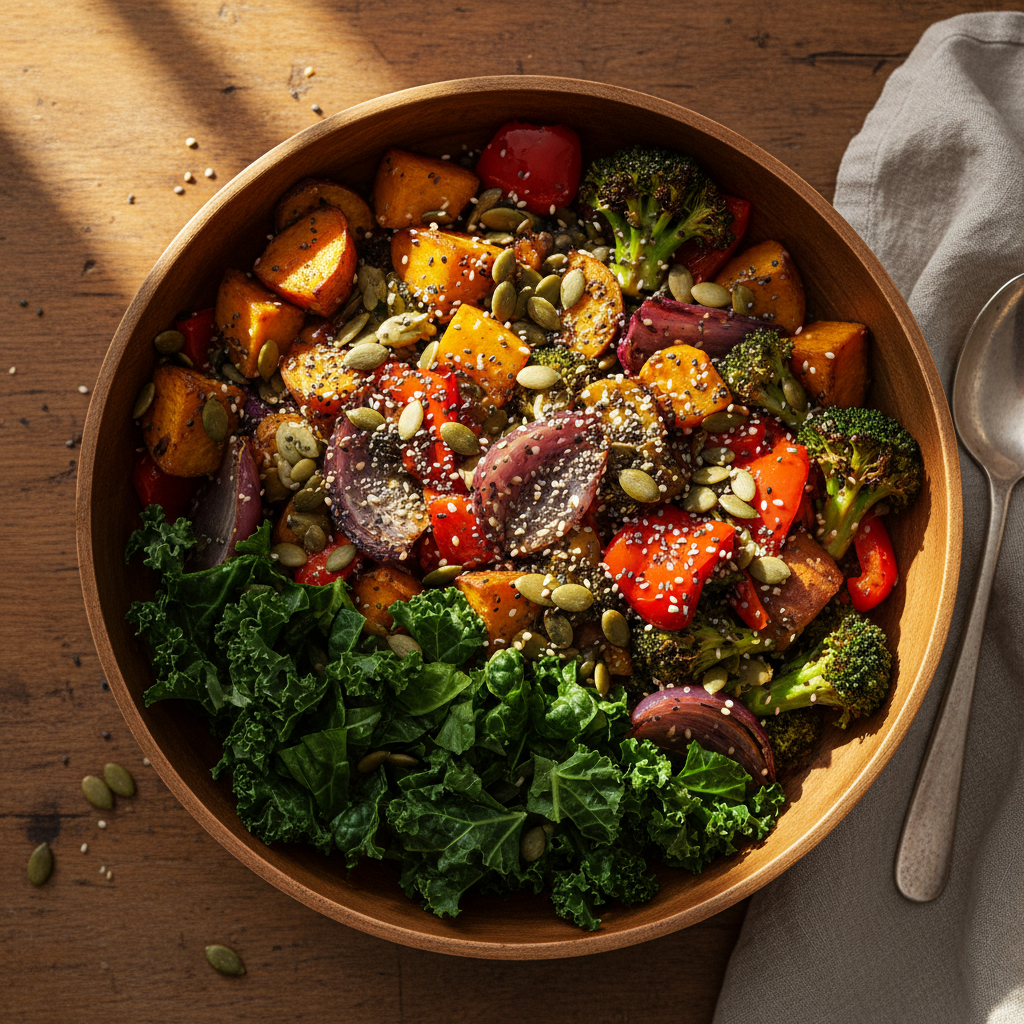
A Nourish bowl. Turmeric, greens, walnuts, olive oil. Nothing styled beyond recognition.
The four nutrients we address first.
Regulates HPA axis stress response. Depleted by chronic cortisol. Supports deep sleep onset.
Reduces neuroinflammation. Supports prefrontal cortex function. Helps regulate emotional reactivity.
Feeds beneficial gut bacteria that produce 90% of the body's serotonin. Stabilizes mood floor.
Co-factors for neurotransmitter synthesis. Depleted by chronic stress and alcohol use.
The 3-Day Calm Plate.
Three days of simple, anti-inflammatory meals built for nervous systems under load. No complicated prep. No ingredients you've never heard of. Proof that this program understands what your week actually looks like.
Here is what a Tuesday actually looks like.
Not a sample meal plan. Not a generic protocol. A week-by-week arc built around what your nervous system can actually tolerate — and what it's ready to receive next.
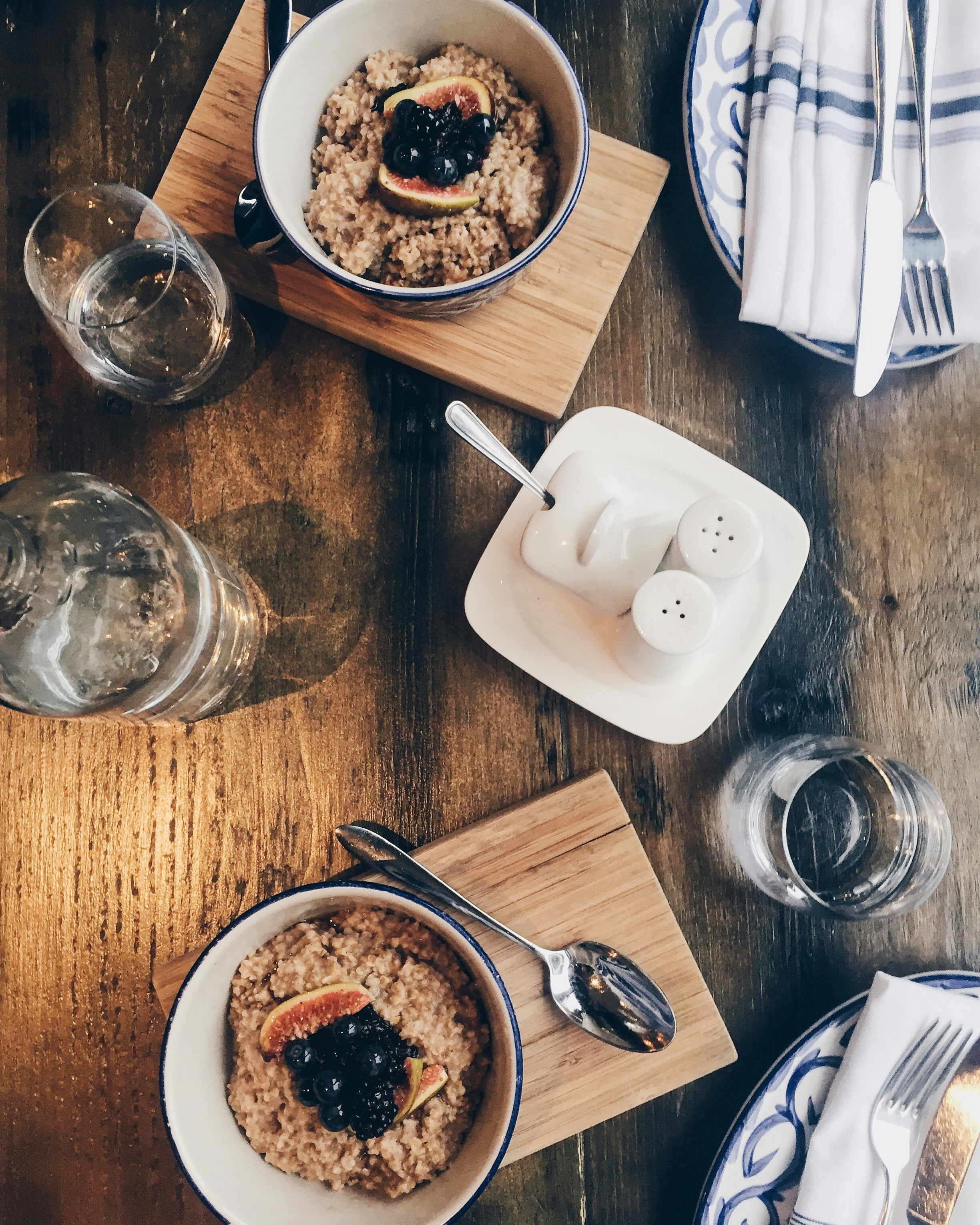
Weeks 1–3
Foundation
We don't start with what you eat. We start with when, where, and under what conditions. Building the simplest possible eating rhythm your nervous system can tolerate — no rules, just structure.
- Identify your 3 lowest-friction meals
- Introduce magnesium glycinate protocol
- Map your sensory triggers around eating
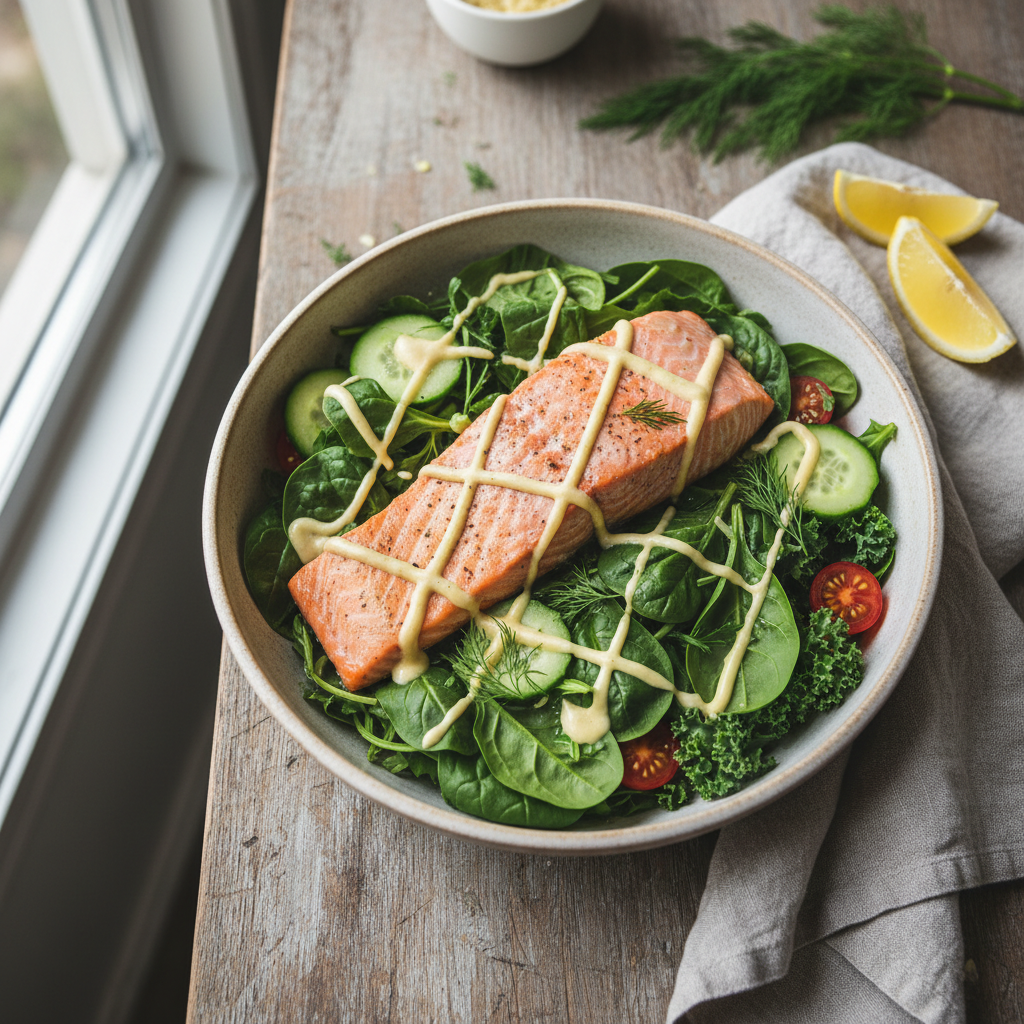
Weeks 4–7
Repair
This is where most clients notice the first real shift. Sleep starts to consolidate. The 2 a.m. cortisol raids become less frequent. The microbiome begins producing serotonin more reliably.
- Anti-inflammatory food integration
- Omega-3 and prebiotic fiber targets
- First uninterrupted sleep (most clients: week 4–5)

Weeks 8–12
Integration
By here, food is no longer a source of anxiety. The goal shifts from healing to living — building the meals, rituals, and patterns you'll carry forward. No maintenance plan. Just your own body's signals, finally audible again.
- Intuitive hunger cue recognition
- Grocery and meal prep without hypervigilance
- Your personal calm plate blueprint
Full program arc
Report improved sleep by week 6
Weekly check-in calls
Calorie counting. Ever.
What they said when we asked how it felt.
These are transcribed voice notes, not testimonials. The words are theirs, unedited except for length.
“I didn't realize I'd been eating standing up for three years. Not sitting down once. Week two, I sat at my kitchen table. It took about twelve minutes before I stopped waiting for something bad to happen.”— Marcus T., Army veteran, 11 years service
“The grocery store thing was real. I had a route I'd do in under six minutes. Grab, go, don't linger. Now I spend twenty minutes in the produce section and it feels like nothing. That shift happened around week five.”— Denise R., Paramedic, 14 years
“I kept waiting for the program to tell me I was doing it wrong. Every nutrition program I'd tried before had a list of things I was failing at. There was no list. Just: here is what your body needs right now. That was the whole thing.”— Simone K., survivor
These are not exceptional stories. They are what happens when a nervous system gets what it actually needs — not a diet, not discipline, not a 30-day challenge. Just food that speaks the language your body already knows.
A conversation, not an intake form.
The free Nourish Call is 30 minutes. No medical history. No symptom checklist. No pressure to sign up for anything. Just a conversation about where you are and whether this program might be the right fit.
We ask three things. That's it. Because you've already filled out enough clinical forms to last a lifetime.
You talk, we listen
We want to understand your specific situation — not fit you into a category.
No obligation
If Nourish isn't the right fit, we'll say so. We'd rather be honest than useful to the wrong person.
Completely confidential
Nothing you share goes anywhere. This is a private conversation.